

How to Choose the Best Playtech Casino in Nigeria
🎰 Find top Playtech casinos in Nigeria! Explore game variety, secure naira payments, juicy bonuses, mobile play & local regulations for smart betting today 🇳🇬💰
Edited By
Hannah Davies
Casino taxation in Nigeria operates under specific rules that govern how gaming businesses contribute to government revenue. This tax framework covers both land-based and online casinos, with the government applying levies to the income generated from gaming activities.
The regulation is primarily overseen by state governments and the Nigerian Casino Regulatory Commission, ensuring casinos meet set standards and comply with tax obligations. Tax rates vary depending on the location and type of casino, reflecting distinct fiscal policies from states such as Lagos, Abuja, and Cross River.
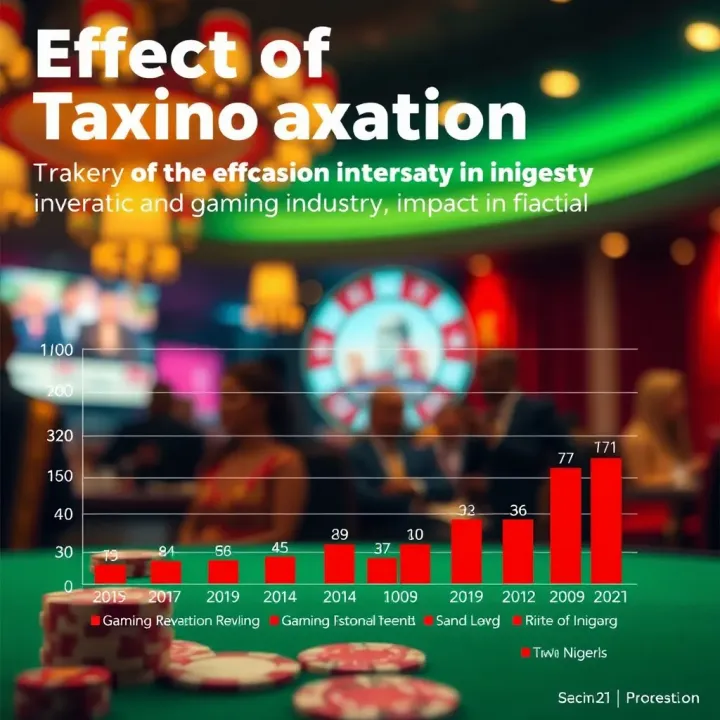
Casino tax payments are crucial, not just for funding government projects, but also for maintaining fairness and transparency within Nigeria's gaming industry.
Gaming Tax: Charged on the gross gaming revenue (GGR) of casinos, this tax is usually a percentage of the total bets minus winnings paid out. For example, Lagos State applies a gaming tax rate between 5% and 15%, depending on casino size and turnover.
Value Added Tax (VAT): Casinos also pay 7.5% VAT on goods and services purchased or provided.
Withholding Tax: Applicable on payments to non-resident entities or contractors involved in casino operations.
Other Levies: Some states impose business premises levy or entertainment taxes, which casinos must factor into their tax computations.
Higher tax rates affect casino profitability and can influence pricing strategies on games and services offered. On the flip side, steady tax inflows help states develop infrastructure and social amenities.
Operating within Nigeria’s tax laws demands diligent financial management from casino operators, including accurate record-keeping and regular filing. Failure to comply can lead to penalties or licence revocation.
This article will explore detailed tax rates, enforcement challenges, and what future regulation could mean for Nigeria’s fast-growing casino sector.
Understanding the workings of casino operations in Nigeria gives a necessary backdrop to grasp how taxation affects the industry. Casinos are more than entertainment hubs; they contribute to economic activities, provide employment, and interface with regulatory frameworks. Knowing where casinos operate, who runs them, and under what rules helps clarify the rationale behind tax policies and compliance challenges.
The Nigerian casino market, although comparatively young, is growing steadily with an estimated worth of several billion naira annually. Major players include large names like Transcorp Hotels, which owns some casino hotels, and emerging local brands focusing on both physical casinos and online platforms. These operators cater to a mix of affluent urban customers and tourist patrons, shaping the revenue base relevant to tax considerations.
Casinos concentrate mainly in Lagos, Abuja, and a handful of states with established tourism and hospitality sectors, such as Rivers and Cross River. Lagos remains the commercial nerve centre with the highest density of fixtures. This distribution reflects access to clientele as well as regulatory openness, making location a key factor in revenue generation and tax collection efficiency.
Casinos contribute significantly to nightlife and leisure, indirectly boosting sectors like hospitality, transport, and food services. For example, Lagos’s Victoria Island hotels with casinos attract international visitors, creating jobs and generating tourism-related taxes. This ripple effect stresses the importance of including the casino industry in national economic planning and revenue forecasts.
Nigeria’s casino operations fall under the Casino Act 1995 and other local laws, setting out the legal limits for gaming activities, tax liabilities, and operational requirements. Complementary laws like the Money Laundering Prohibition Act ensure activities within casinos meet financial crime standards. These laws create the foundation for consistent tax application and industry oversight.
The National Lottery Regulatory Commission (NLRC) and the Lagos State Lotteries Board oversee casino licensing and regulation, ensuring compliance with gaming laws and tax rules. Their work includes monitoring operators, approving licenses, and facilitating inspections. Effective governance supports transparency, which assists tax authorities in securing due revenues.
To operate legally, casinos must obtain licences from relevant authorities, meeting criteria such as capital requirements, physical security standards, and adherence to reporting protocols. These conditions tie directly into tax compliance since valid licensing often involves tax registration and submission of financial records.
The overview of casino operations provides the lens through which one can assess taxation impact, enforcement realities, and economic benefits. Knowing who runs casinos, where, and under what rules helps frame Nigeria’s approach to taxing this dynamic sector.
In Nigeria, casinos face a complex tax environment shaped by different levies aimed at capturing revenue from gaming operations. Understanding the variety of taxes applied is key for both operators and players who want clarity on how these charges affect the industry and the economy. Taxes influence casino profitability, government revenue, and regulatory compliance, making it essential to grasp each tax's nature and scope.
The gaming tax is a direct tax imposed on the revenue generated by casinos from their gaming activities. It is calculated based on the gross gaming revenue (GGR), which is the total amount wagered minus winnings paid out to players. For example, if a casino collects ₦100 million in bets and pays out ₦70 million as winnings, the taxable base is ₦30 million. The actual tax rate can vary depending on federal and state laws but typically ranges from 10% to 20% of the GGR.
This tax mainly targets casino operators, who must declare and remit it regularly to tax authorities. The revenue collected helps fund public services and supports the regulatory bodies overseeing gaming activities. Ensuring accurate calculation is crucial because under-reporting GGR can result in penalties or legal challenges.

Only licensed casino operators are liable to pay gaming tax. This means businesses registered and authorised under Nigerian gaming laws must comply, while informal or illegal establishments evade such obligations. For instance, a casino in Lagos operating without proper licensing not only risks closure but also avoidance of gaming tax, creating uneven competition. Hence, the government focuses on enforcing licences and taxing only legitimate entities to maintain order and fairness in the sector.
Casinos also face VAT on services and goods they purchase or sell. Since Nigeria’s VAT rate stands at 7.5%, casinos pay VAT on equipment, meals, accommodation, or entertainment offered within their premises. For example, if a casino buys drinks worth ₦1 million for its bar, it pays ₦75,000 VAT to the government.
However, the VAT on casino gaming revenues is distinct; gambling services themselves are usually exempt from VAT to avoid double taxation on the same activity. This distinction helps operators manage their cash flows more effectively.
Beyond gaming and VAT taxes, casinos pay corporate income tax on their net profits. Currently set at 30% in Nigeria, this tax applies after deducting allowable expenses like salaries, overheads, and depreciation. For instance, if a casino posts ₦50 million profit after costs, it will owe ₦15 million in corporate tax for that financial year.
This further incentivises accurate record-keeping and transparent financial reporting, both vital for tax authorities and investors. Corporate tax compliance demonstrates a legitimate business operation, fostering trust with banks and partners.
Casinos also incur various levies from local governments where they operate. These can include business permit fees, sanitation charges, and security levies that vary by locality. For example, a casino in Lagos Island may pay monthly fees to the Lagos State government or local councils covering waste management or road maintenance.
Such levies add to operational costs but also anchor casinos within their communities, sustaining public infrastructure that supports their business. Non-payment of these dues can result in fines or restriction of activities, making local compliance equally important.
Understanding the full suite of taxes — gaming, VAT, corporate, and local levies — helps casino operators navigate legal requirements and sharpen financial planning, ultimately contributing to a healthier gaming ecosystem in Nigeria.
By knowing these tax types and how they apply, operators and players alike will appreciate the financial and regulatory landscape shaping casino gaming today.
Understanding the tax rates and payment procedures for casinos in Nigeria is essential for both operators and stakeholders in the gaming industry. This section sheds light on the specific levies applicable to casino earnings and the formal processes required to comply with tax obligations. Such knowledge is vital for operators aiming to avoid penalties and maintain legal standing, while also providing gamblers and investors insight into how taxation influences the business environment.
Gaming tax in Nigeria typically ranges between 10% and 20% of the casino's gross gaming revenue, depending on the jurisdiction and the scale of operations. Lagos State, hosting some of Nigeria’s most prominent casinos, levies a gaming tax of about 15%, reflecting the urban market's higher turnover. This tax is applied directly to the amount wagered or won, and operators must incorporate these rates into their financial planning.
When compared to other sectors like telecommunications and oil, gaming tax rates seem competitive yet significant. For example, telecommunications providers face a varied tax regime, but corporate income tax rates hover around 30%. Oil companies might negotiate different terms given their strategic importance, often enjoying tax holidays or lower rates. Casinos, though taxed heavily on specific revenues, face additional levies such as value-added tax (VAT) and local government fees, cumulatively impacting profitability.
Casino businesses must remit gaming taxes monthly to remain compliant, aligning with Nigeria’s broader tax collection schedules set by the Federal Inland Revenue Service (FIRS) and relevant state boards. Timely payments ensure smooth operations and help avoid the accrual of penalties. This frequent reporting encourages well-maintained financial records and ongoing transparency with tax authorities.
Detailed documentation is a non-negotiable part of the remittance process. Casinos need to keep precise records of daily wagers, winnings, payouts, and ancillary incomes like food and beverage sales related to gaming operations. Good record-keeping supports accurate tax computation and acts as evidence during regulatory audits or in disputes, reducing the risk of penalties or legal challenges.
Failure to meet tax payment deadlines attracts steep penalties, including fines ranging from 5% to 10% of the outstanding amount plus interest. Chronic defaulters risk heavier sanctions, possibly including revocation of operating licences. This enforcement framework underlines the government’s seriousness regarding casino taxation compliance.
Timely payment and proper filing safeguard casinos from financial penalties and reputational harm, fostering a more sustainable gaming market in Nigeria.
By sticking to established tax rates and following clear payment procedures, casino operators can not only stay on the right side of the law but also contribute meaningfully to Nigeria’s growing entertainment economy.
Casino taxation plays a significant role in shaping Nigeria's fiscal landscape, directly affecting government coffers and the gambling sector's growth. Understanding this impact helps stakeholders gauge how casino taxes influence economic development, government funding, and business strategies within Nigeria's entertainment industry.
Revenue figures and trends: The Nigerian government has steadily increased its earnings from casino taxes over the past years. For instance, in 2022, casinos contributed approximately ₦12 billion to the federal and state revenues combined. This income stems mainly from gaming taxes, corporate taxes, and levies imposed on casino operators. Although relatively modest compared to oil revenues, casino taxes provide a reliable and growing source of funds that supports public projects and social services.
These revenues have shown an upward trend, thanks to the increased patronage of casinos both offline and through licensed online platforms. The rise of digital gaming platforms in Lagos and Abuja has expanded the tax base, enabling government agencies to collect taxes more efficiently.
Percentage share in total tax income: Despite its growing importance, casino tax revenue still accounts for a small fraction of Nigeria's overall tax income—around 0.5% to 0.7%. Meanwhile, sectors like oil and telecommunications contribute a far larger share. However, the gambling sector's tax contribution is significant when viewed within the broader entertainment and hospitality industry, where it helps diversify government income sources.
This share has the potential to increase as the government tightens compliance and expands licensing, balancing regulation with business growth.
Influence on profitability and expansion plans: Taxation directly influences the profitability of Nigerian casinos. Higher tax rates can squeeze operating margins, forcing some operators to rethink expansion plans or cut costs. For example, a casino in Lagos Brooklyn area had to postpone its facility upgrade recently due to increased gaming duties that reduced its net returns.
On the flip side, reasonable and well-structured tax policies encourage operators to invest in technology and customer experience, a fact many fintech-driven casinos are beginning to understand. This balance is crucial for sustaining long-term growth and maintaining competitive edge within Nigeria's vibrant entertainment space.
Investor confidence and market growth: Predictable tax structures are a magnet for investors, both local and foreign. When operators know what to expect, they plan better, secure financing easier, and expand responsibly. This confidence helps stimulate the domestic casino market as well as attracting partnerships with global brands interested in Nigeria's booming gaming scene.
That said, inconsistencies or sudden tax hikes risk discouraging investors, pushing some towards informal or unregistered operations, which undermines regulation and revenue collection.
Casino taxation is a double-edged sword: it boosts government revenue but must be handled carefully to avoid stifling the sector's potential and investor interest.
In summary, casino taxes contribute steadily to Nigeria's revenues and influence business decisions in meaningful ways. Keeping tax policies transparent and fair fosters a healthier environment for all parties involved.
Enforcing casino taxation in Nigeria presents several challenges that affect government revenue and the overall regulation of the gaming industry. Understanding these issues is key to improving compliance, ensuring fair tax collection, and supporting the sector’s sustainable growth.
Casino operators have found multiple ways to evade taxes, significantly impacting government earnings. Common methods include underreporting revenue, where operators declare less income than actually earned. This practice, though illegal, remains difficult to detect without robust auditing systems. Cash transactions often escape scrutiny because they are harder to trace compared to electronic payments, enabling some operators to hide portions of their takings.
Another evasion tactic involves structuring bets and winnings to fall below taxable thresholds or manipulating customer transaction records. In some cases, smaller operators or unlicensed venues exploit regulatory gaps, operating under the radar without proper tax registration, thus avoiding obligations entirely.
These evasion methods expose weaknesses in the current regulatory framework. Nigeria’s tax authorities sometimes lack sufficient resources, technical expertise, or access to real-time data, which hampers effective monitoring and enforcement. Additionally, the multiplicity of agencies involved in casino oversight, such as the National Lottery Regulatory Commission and various state bodies, leads to fragmented approaches, sometimes causing delays or overlaps that operators exploit.
Technology can be a powerful tool to improve tax compliance in the casino sector. Digital tracking systems help authorities monitor betting activities in real time, reducing opportunities for underreporting. For example, point-of-sale (POS) terminals integrated with casino management software can record bets and payouts automatically, generating trustworthy data for tax calculations.
The adoption of electronic gaming machines and cashless payment systems also enhances visibility of financial flows, providing detailed transaction records that support accurate tax assessments. Such systems reduce reliance on self-reporting, which is prone to manipulation.
Importantly, integrating casino revenue monitoring with Nigeria’s wider tax systems improves oversight. When casino data feeds directly into platforms used by the Federal Inland Revenue Service (FIRS), it streamlines tax filing and payment verification. This integration reduces administrative bottlenecks and helps identify discrepancies faster.
Digital tools paired with streamlined regulatory cooperation offer a practical path to closing tax gaps in Nigeria’s casino industry.
By addressing enforcement challenges through technology and clearer regulations, Nigeria can better capture casino tax revenues crucial for public spending and development.
The future of casino tax policy in Nigeria is essential because it directly affects how the gaming industry evolves and its contribution to government revenue. As the casino sector grows, especially with the rise of online platforms, policies must stay relevant to curtail evasion and encourage compliance. Clear tax policies also motivate investors to develop new casinos, generating jobs and enhancing tourism.
The Nigerian government has been considering several reforms to update casino tax laws. These include revising tax rates to reflect current industry realities and introducing clearer guidelines for taxing online casinos, which are booming but poorly regulated. Another proposal is to streamline tax collection by integrating casino tax systems with digital platforms, reducing manual processes and leaks.
Such reforms aim to balance government revenue goals with industry growth. For example, reducing tax rates slightly could attract more operators, especially smaller players struggling under existing burdens. Also, policies might introduce incentives for casinos investing in local communities or adopting responsible gambling measures.
The implications for operators and taxpayers are significant. Operators may need to upgrade their accounting systems to meet stricter reporting requirements, but they could also benefit from more predictable tax planning. For taxpayers—players and casino owners alike—clarified tax rules mean fewer disputes and better compliance support.
Investors will likely watch these changes closely, since an improved regulatory landscape can boost confidence and market expansion. However, there could be short-term disruptions as casinos adjust to new compliance demands.
Looking abroad, many countries have adopted tiered tax rates based on casino revenue bands, rewarding smaller establishments with lower rates while taxing high earners more heavily. Countries like South Africa and the UK offer useful examples where tax structures support both government revenue targets and sustainable industry growth.
Another global trend is using technology to track player winnings and losses, enhancing transparency. This is particularly relevant given Nigeria's expanding online casino scene, which struggles with proper oversight.
Adapting these global lessons to Nigerian conditions requires careful consideration of local market size, technological infrastructure, and regulatory capacities. Strict replication of foreign models may not work well without local tweaks.
For instance, the informal nature of many Nigerian gamblers calls for a gradual shift to electronic tracking to avoid alienating players. Plus, policies should consider the challenges posed by frequent power outages and internet instability, common in many Nigerian cities.
Nigeria's casino tax policy must evolve thoughtfully, balancing global best practices with local realities to build a fair, profitable industry that supports economic growth.
By learning from other countries while tailoring reforms to Nigeria’s unique landscape, policymakers can create a tax environment that encourages investment, ensures compliance, and maximises the benefits from casino operations across the country.
🎰 Find top Playtech casinos in Nigeria! Explore game variety, secure naira payments, juicy bonuses, mobile play & local regulations for smart betting today 🇳🇬💰

🎰 Paystack is reshaping casino payments in Nigeria, offering quick, secure deposits and withdrawals that make online gaming smoother and safer for players across the country.
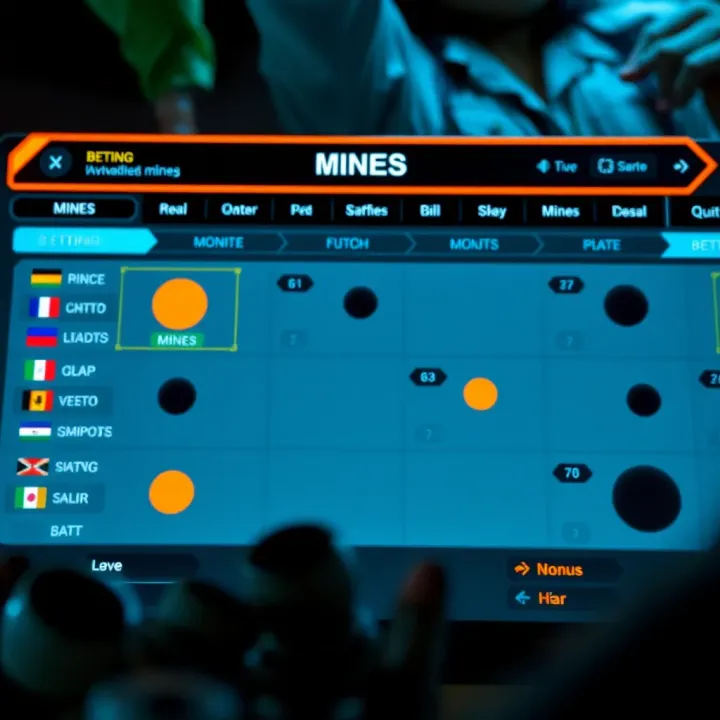
Learn how to play Tipbet Mines on Tipbet platform🎮. Master rules, betting tips, strategies, and stay responsible to boost your winning chances in Nigeria🇳🇬.

🎰 Discover Tipbet Casino promo offers for Nigerian players 🇳🇬. Learn how to claim bonuses, types of rewards, eligibility, plus tips for responsible gaming. Get more value today!
Based on 12 reviews